What can be done to stop the spread and eliminate Himalayan Balsam?
How to Balsam Bash Properly
The good news is that Himalayan Balsam is really easy to eradicate in your garden or local green space, as it is an annual and the seeds only last for 2-3 years in the ground. This means even in one year Balsam can be reduced by 95% the following year so it really is possible to make a huge difference to your local environment. Follow the steps below to discover how you can balsam bash in your own area!
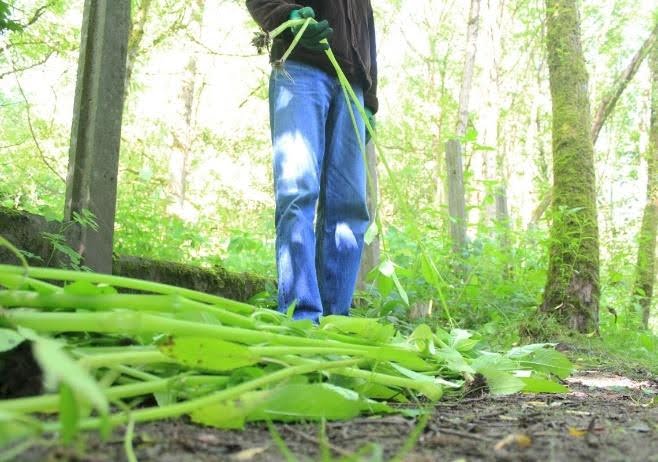
1. Identify & Pull
Find the pink flowers and reddish stems. Pull firmly from the base of the plant.
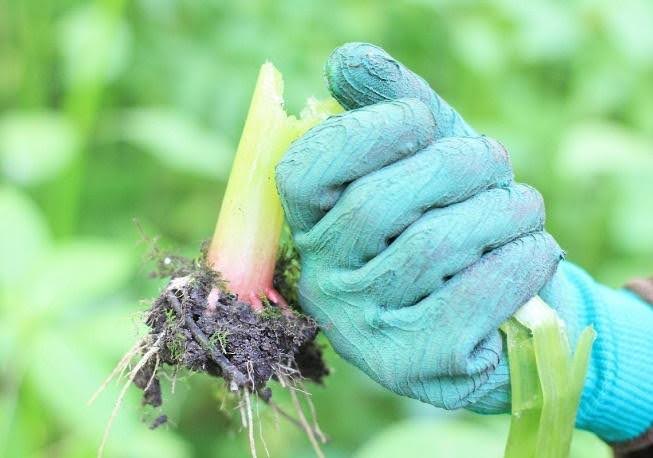
2. Snap the Root
Snap the stem above the lowest node (the "nobble") to prevent it from re-rooting.
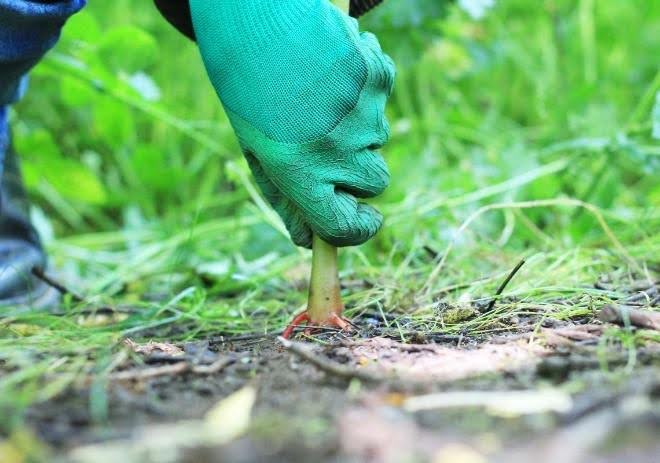
3. Pile & Rot
Stack the pulled plants in a dry area away from the water to decompose naturally.
Top tips if you're taking on your own patch of Balsam.
Choose an infected site and work strategically – first start off mapping your site using INNS tracker – for more info on INNS tracker and how to use it – link to the INNS tracker page on this website.
Get landowners permission to start with Balsam management on their land.
Push back from the furthest point of infection.
Work top to bottom on hills.
For rivers/railways from source to sea approach.
Return throughout the season and for years to come. You think you've got every plant but there's always secondary growth and seeds fast in the soil for up to 3 years. To completely clear an area of Balsam takes return visits.
Keep your mapping updated using the INNS tracker to report your impact on the site.
Many hands make light work. Why not host your own events to tackle Himalyan Balsam in your chosen area? For info on how to do this and support on how to host your own event click here
When you've cleared an area of Balsam, give nature a hand to restore itself to a healthy habitat. Some ideas to help nature recover:
- Watch and wait, allowing remaining seeds which were already in the soil to grow, including nettles and bramble, just be careful to make sure any Himalyan Balsam seedlings you spot are quickly removed. Leave some native plants in place to encourage natural regeneration
- Re-seed - use a wildflower seed mix and re-seed the area. Just make sure you use a native seed mix that is appropriate for the habitat. This is an example of a reputable company to source seed mixes wildflower.co.uk
- REMEMBER Safety First!!